
Siding Replacement Services
Get a FREE Estimate
Landing Page Form
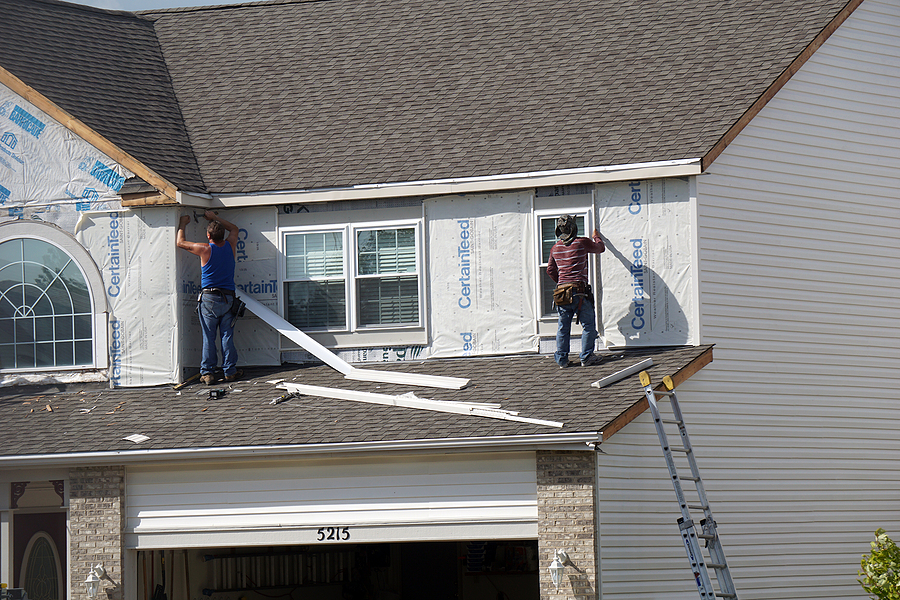
When Siding Replacement Is the Right Choice
Siding replacement is often recommended when the existing materials are extensively damaged, no longer performing properly, or unlikely to benefit from additional repairs. In these situations, continuing to repair individual areas may only provide temporary relief while underlying problems continue to spread.
Replacement may be the better option if:
- Damage affects large or multiple sections of siding
- Moisture intrusion is recurring, widespread, or affecting underlying materials
- Siding panels are cracked, warped, loose, brittle, or deteriorating
- Matching the color, profile, or material of the existing siding is no longer possible
- Drafts or declining energy efficiency indicate gaps in exterior protection
- Previous repairs have not corrected the underlying problem
- The siding has reached or exceeded its expected service life
Our goal is to help you make a practical long-term investment, not recommend complete siding replacement when a reliable repair would still solve the problem.
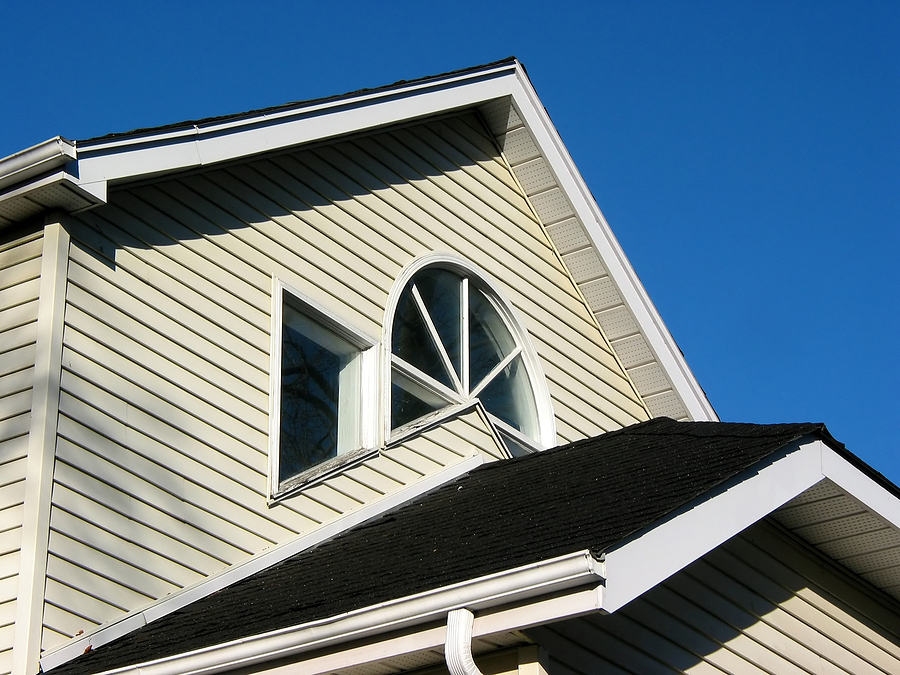
How Siding Replacement Protects Your Home
Siding provides more than an updated appearance. It serves as a critical protective layer that helps shield your home’s structure from moisture, wind, temperature changes, and everyday weather exposure.
A properly designed and installed siding system can help:
- Prevent water intrusion, mold, and wood rot
- Improve insulation performance and overall energy efficiency
- Protect exterior framing, sheathing, and weather barriers
- Reduce recurring repairs and long-term maintenance needs
- Limit drafts and improve indoor comfort
- Enhance curb appeal and overall property value
- Provide more consistent protection across the entire exterior
Complete siding replacement also allows damaged sheathing, moisture problems, failing barriers, and other concealed issues to be identified and addressed before the new materials are installed and more serious structural damage develops.
Our Siding Replacement Process
Step 1
Exterior & Siding Assessment
Step 2
Material & System Recommendations
You will receive clear explanations of available siding materials, colors, profiles, maintenance needs, and warranty options. We also compare durability, energy-efficiency considerations, expected lifespan, and how each siding system performs against local heat, humidity, wind, rain, and other weather conditions. This helps you select a solution that fits your home, appearance, and long-term priorities.
Step 3
Preparation & Installation
Old or damaged siding is carefully removed as needed to expose the underlying surface and identify concealed moisture, rot, or structural concerns. Necessary repairs are addressed before the new siding, weather barriers, flashing, and trim are installed according to applicable manufacturer standards for dependable protection and long-term performance.
Step 4
Final Review & Integration
Siding, Roofing & Exterior System Coordination
Siding replacement often overlaps with roofing, drainage, ventilation, and other exterior components. If these connection points are not addressed correctly, water and air may reach vulnerable areas behind the new siding.
During replacement, we evaluate:
- Roof-to-wall transitions and connection points
- Flashing, sealant, trim, window, and door details
- Gutter attachment points and surrounding drainage paths
- Soffit vents, wall vents, and other ventilation openings
- Existing moisture barriers and visible sheathing condition
- Areas where water may collect or enter behind exterior materials
Coordinating these systems helps ensure your new siding functions as part of a complete protective exterior that manages moisture, supports proper airflow, and delivers reliable long-term performance.
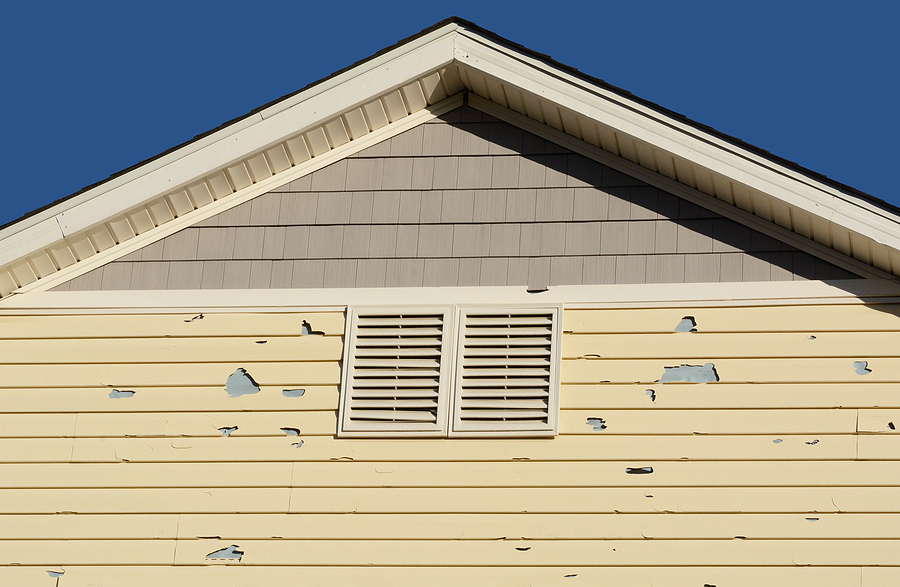
Storm Damage & Siding Replacement
Siding replacement often overlaps with roofing, drainage, ventilation, and other exterior components. If these connection points are not addressed correctly, water and air may reach vulnerable areas behind the new siding.
During replacement, we evaluate:
- Roof-to-wall transitions and connection points
- Flashing, sealant, trim, window, and door details
- Gutter attachment points and surrounding drainage paths
- Soffit vents, wall vents, and other ventilation openings
- Existing moisture barriers and visible sheathing condition
- Areas where water may collect or enter behind exterior materials
Coordinating these systems helps ensure your new siding functions as part of a complete protective exterior that manages moisture, supports proper airflow, and delivers reliable long-term performance.