
Siding Repair Services
Targeted Repairs to Protect Your Home and Prevent Bigger Problems
Siding plays a critical role in protecting your home from moisture, wind, temperature changes, pests, and everyday weather exposure. Even damage limited to a small area can allow water or outside air to reach vulnerable materials beneath the exterior surface. If left unaddressed, loose, cracked, warped, or missing siding may reduce energy efficiency and contribute to hidden moisture, insulation, sheathing, or structural problems.
Gilstrap Roofing provides professional siding repair services focused on identifying the source and extent of the damage. We complete targeted repairs designed to restore weather protection, prevent further deterioration, and preserve the performance and appearance of your exterior. When repair remains a reliable option, we help homeowners avoid unnecessary or premature siding replacement.
Get a FREE Estimate
Landing Page Form
When Siding Repair Is the Right Option
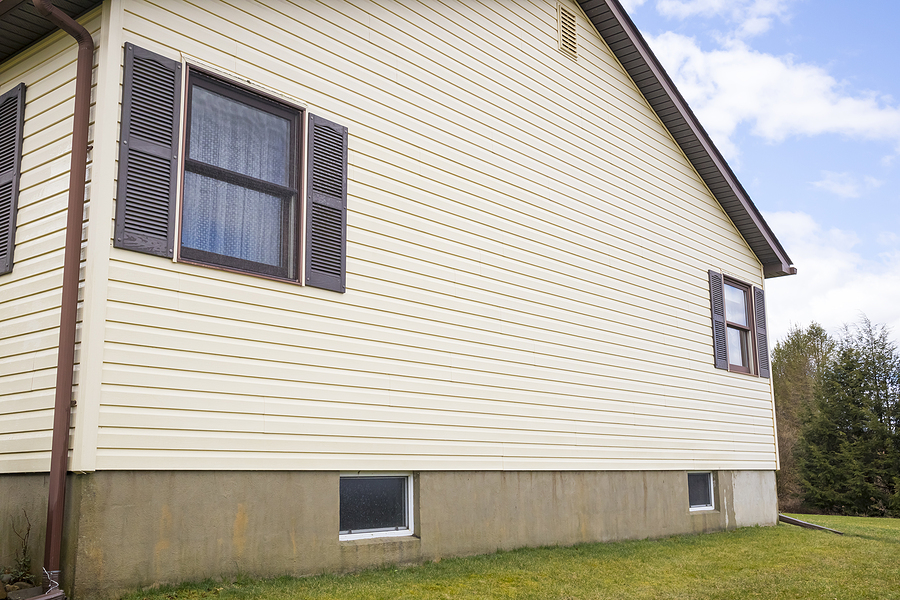
Siding repair is often the most practical solution when damage is limited, relatively recent, or connected to a specific failure point that can be corrected without replacing the entire exterior.
You may be a good candidate for siding repair if:
- Damage is isolated to one or a few sections of the home
- Individual siding panels are cracked, loose, warped, or partially detached
- Moisture intrusion appears limited to a specific area
- Wind, hail, falling debris, or accidental impact caused the damage
- Flashing, trim, or sealant failure is contributing to the issue
- Compatible replacement materials are still available
- The surrounding siding system remains secure and in good overall condition
Our goal is to identify and correct the problem at its source, restore dependable protection, and avoid recommending additional work that your home does not need.
Common Siding Problems We Repair
Cracked or Damaged Siding Panels
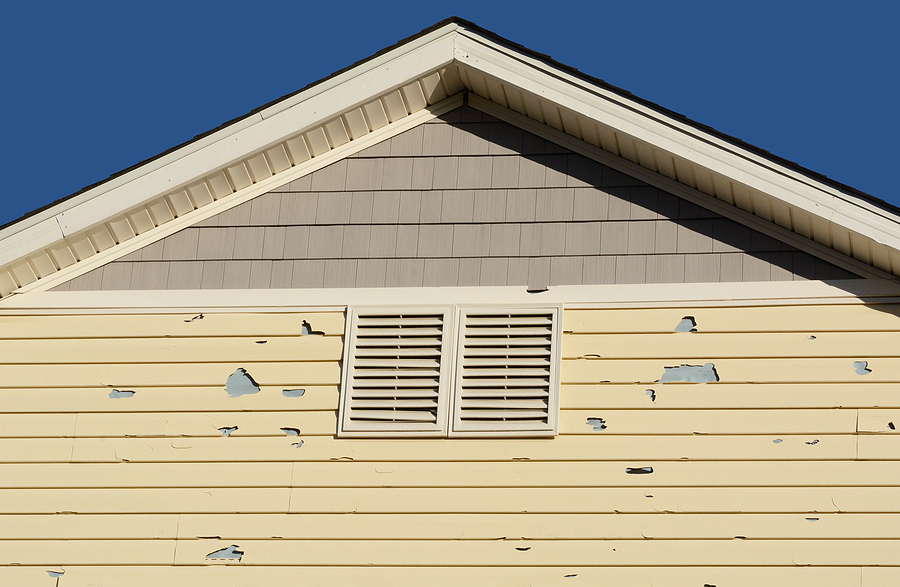
Impact from hail, falling branches, lawn equipment, or other debris can crack, puncture, or break siding panels. Age-related brittleness can also make older materials more vulnerable to damage. These openings may allow moisture and outside air to reach the protective layers behind the siding.
Loose or Warped Siding
High winds, improper fastening, heat exposure, or material movement can cause siding panels to loosen, buckle, or warp. This can affect the home’s appearance while reducing weather resistance and creating openings where water, air, or pests may enter.
Moisture Intrusion and Rot
Cracked, loose, or improperly sealed siding can allow rainwater to reach the sheathing, insulation, framing, and other underlying materials. If the source is not corrected early, trapped moisture may contribute to wood rot, mold growth, staining, and interior damage.
Storm-Related Siding Damage
Severe weather can damage siding even when the roof appears unaffected. We evaluate the siding, trim, flashing, and related exterior components to identify storm-related issues, document visible damage, and determine whether targeted repairs or more extensive replacement provides the most reliable solution.
How Siding Issues Affect Your Roof & Home
Our Siding Repair Process
Step 1
Siding & Exterior Assessment
We inspect the visibly damaged siding and evaluate surrounding panels, trim, flashing, moisture barriers, and other exterior components. This broader assessment helps us determine the source and full extent of the issue, identify potential hidden moisture concerns, and recommend the most appropriate repair.
Step 2
Clear Findings & Repair Options
We explain what is causing the siding problem, which areas and components can be repaired, and whether targeted work will provide reliable long-term protection. If replacement would be more practical or cost-effective, we clearly explain why so you can make an informed decision.
Step 3
Material Matching & Repair Execution
Whenever possible, we match the existing siding material, profile, texture, color, and finish to create a consistent appearance. We also ensure replacement panels integrate properly with surrounding materials, flashing, trim, and moisture barriers to maintain the integrity and weather resistance of the complete siding system.
Step 4
Final Review & Protection Check
We ensure repaired siding areas are properly fastened, sealed, and integrated with surrounding panels, trim, flashing, and moisture barriers. Careful attention to these connection points helps restore weather protection, maintain proper water drainage, and reduce the risk of recurring leaks, loose panels, or future deterioration.
Repair vs. Replacement: How We Help You Decide
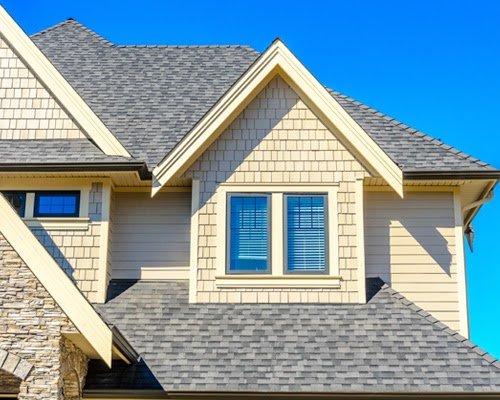
Not all siding damage requires complete replacement, but some situations involve widespread deterioration or underlying issues that targeted repairs cannot reliably correct. We evaluate the entire affected area before recommending a solution.
We help you understand:
- When a localized siding repair is effective and appropriate
- When continued repairs may only provide temporary protection
- When full or partial replacement may be more cost-effective over time
- How siding age, brittleness, and overall condition affect repairability
- Whether compatible colors, profiles, and materials are still available
- How moisture damage or failing underlying materials may influence the scope
If replacement provides the safer and more reliable long-term solution, we clearly explain why and give you the information needed to make an informed decision.