
Attic Ventilation Solutions
Protecting your roof, improving efficiency, and preventing hidden damage.
Many roofing problems don’t start on the roof — they start in the attic.
Poor attic ventilation can trap heat and moisture, leading to premature roof failure, higher energy bills, moisture damage, and uncomfortable living conditions. Because these issues often aren’t visible from inside the home, ventilation problems are frequently overlooked or misdiagnosed.
Gilstrap Roofing provides attic ventilation solutions designed to balance airflow, protect roofing systems, and improve overall home performance.
Get your FREE Estimate
Landing Page Form
Why Attic Ventilation Matters
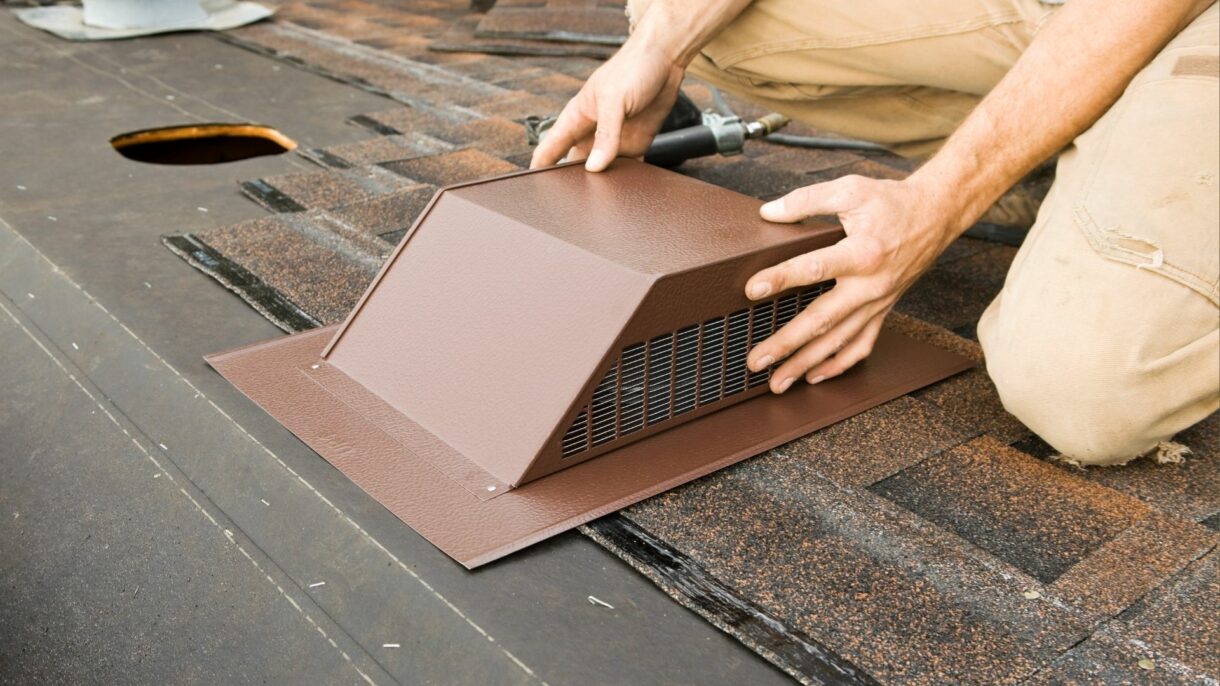
A properly ventilated attic allows heat and moisture to escape instead of becoming trapped inside your roofing system.
Balanced ventilation helps:
- Extend roof lifespan
- Reduce heat buildup in summer
- Control moisture and condensation
- Protect decking and insulation
- Improve indoor comfort and energy efficiency
Without proper airflow, even a well-installed roof can fail prematurely.
Common Signs of Ventilation Problems
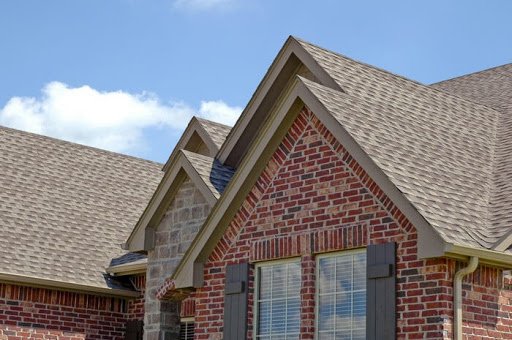
Ventilation issues don’t always present obvious symptoms.
You may be dealing with poor attic ventilation if you notice:
- Excessive heat upstairs or uneven temperatures
- Damage is limited to specific areas
- Higher-than-expected energy bills
- Moisture or condensation in the attic
- Mold or mildew smells
- Premature shingle aging or granule loss
- Ice dams or frost buildup in colder conditions
Ventilation is often the missing piece when roof problems keep recurring.
Our Attic Ventilation Approach
Step 1
Attic & Roof System Evaluation
Step 2
Identify Heat & Moisture Movement
Step 3
Ventilation Recommendations
Based on your home’s design, attic layout, roof structure, existing insulation, and local climate conditions, we recommend practical ventilation improvements that restore balanced airflow. These solutions may involve improving intake, exhaust, or both to help heat and moisture escape properly.
Step 4
Integration With Roofing & Exterior Systems
Ventilation’s Impact on Roofing Performance
Ventilation and roofing work together as part of a complete system. Without balanced attic airflow, trapped heat and moisture can affect both the roof’s materials and its long-term performance.
Poor ventilation can cause:
- Accelerated shingle deterioration and granule loss
- Warped, weakened, or moisture-damaged decking
- Condensation beneath roofing materials
- Reduced energy efficiency and indoor comfort
- Reduced effectiveness and lifespan of roof repairs or replacements
That is why we evaluate attic ventilation during roof repairs, full replacements, and storm damage assessments.
Ventilation & Energy Efficiency
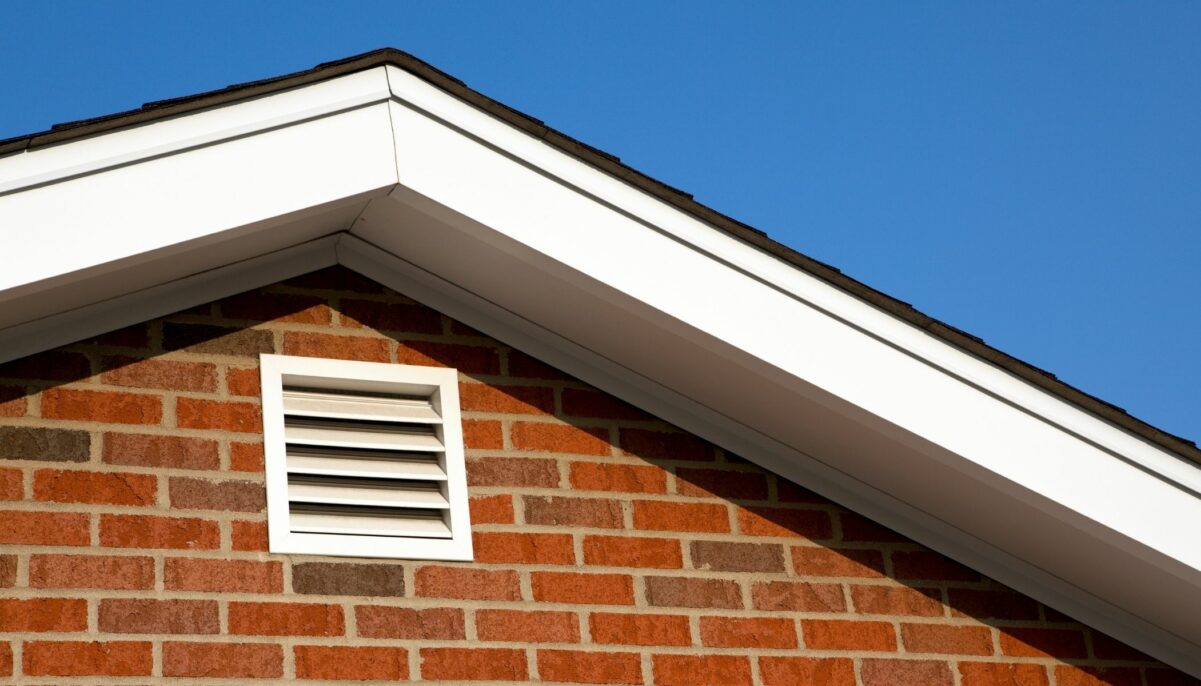
Improper attic airflow allows heat and moisture to build up, which can force your HVAC system to work harder to maintain comfortable indoor temperatures.
Balanced attic ventilation can:
- Reduce strain on cooling systems during hot summer months
- Help regulate indoor temperatures throughout the year
- Support the performance of existing insulation
- Reduce excess heat and moisture in attic spaces
- Improve overall comfort and energy efficiency
- Help protect roofing materials from premature aging
Ventilation upgrades are often one of the most overlooked opportunities to improve home efficiency, comfort, and long-term roofing performance.
Storm Damage & Ventilation Issues
Storms can damage or loosen attic ventilation components even when the surrounding shingles appear unaffected. High winds, hail, debris, and wind-driven rain may compromise vents, covers, seals, or flashing and create hidden pathways for moisture.
During a storm assessment, we evaluate:
- Ridge vents and other roof-mounted vents
- Intake ventilation at the eaves and soffits
- Vent covers, seals, fasteners, and flashing
- Blocked, dented, loose, or missing components
- Moisture intrusion caused by wind-driven rain
Addressing storm-related ventilation damage early helps restore proper airflow, prevent water intrusion, and reduce the risk of future roofing and attic problems.
Attic Ventilation FAQs
Not Sure If Ventilation Is an Issue in Your Home?
If you are experiencing recurring roof problems, excess attic moisture, uneven indoor temperatures, or higher energy costs, inadequate attic ventilation may be contributing to the issue. Trapped heat and moisture can affect roofing materials, insulation, structural components, and overall home comfort.
Gilstrap Roofing will evaluate how air moves through your attic, clearly explain what we find, and help you determine whether ventilation improvements are a practical solution for your home.